8 Things to Consider Before Installing a New Boundary Fence
Before the first post hole is dug for your new boundary fence, property line identification, termite risk, and knowing the material properties are some of the important boxes to consider. Here is how you install a boundary fence that ticks all of them.
1. The ‘Thoughtful Neighbour’ Etiquette
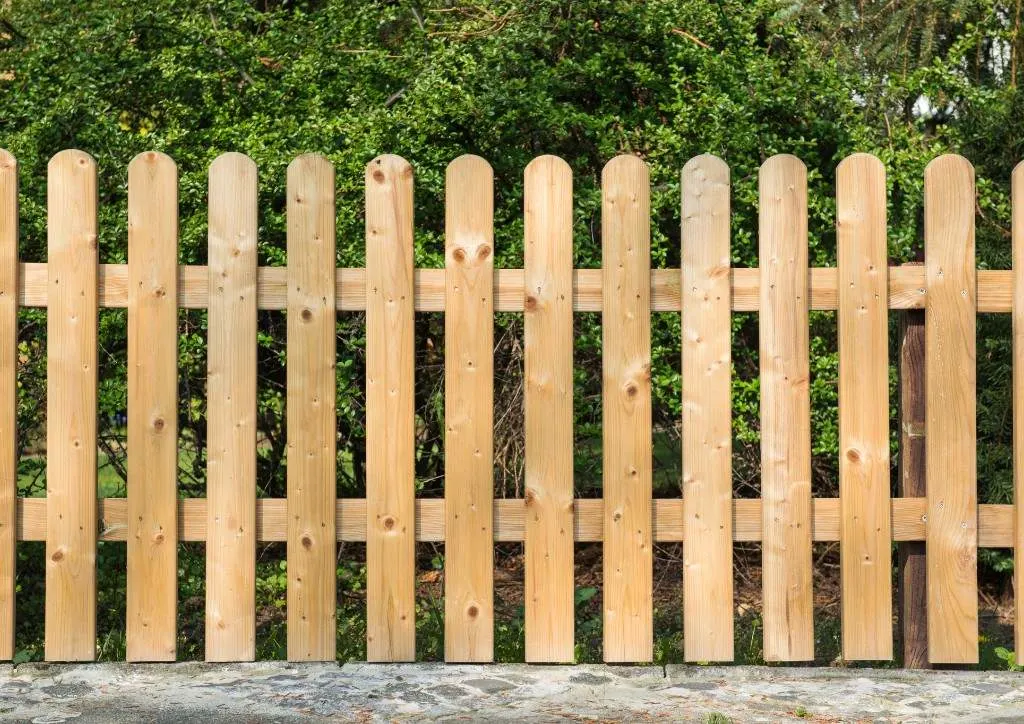
In Australia, it is common courtesy to face the smooth side of the timber fence toward your neighbour or the street. This means the posts and horizontal rails remain on your side of the property. This helps you with:
- Visual Harmony: Having a finished side outward contributes to a cleaner streetscape and avoids friction with your immediate neighbour.
- Safety: Keeping the rails on your side avoids a rung being accessible for climbing into your yard. This is not an issue when you consider a Colorbond or lapped lock fencing as it does not have the same rail structure.
2. Factory-Finish or On-Site Painting?
Choosing between a pre-coloured boundary fence or a plain raw material matters more than you think. It all comes down to customisation vs reliability that you get from day one of installation.
- Factory-Finished Reliability: Opting for materials like Colorbond, powder-coated aluminium, or steel can involve a relatively higher upfront cost but significantly improves the durability.
- On-site Customisation: Options like timber offer you a liberty to install them right away and customise later. This is particularly suitable when utility is more important for your urgent needs.
3. Privacy Expectations
Privacy is important for families in dense vicinities or where unwanted gazes are a daily concern. But can it be done in style? The good news is that there are specialised systems to deliver the best of both worlds.
- Total Occlusion: Enter the Lapped and Lock modular system that ensures that timber palings overlap securely within a steel frame, eliminating sightlines entirely.
- Acoustic Benefits: The extra thickness of lapped timber acts as an excellent sound barrier against street noise compared to single-paling designs.
4. It’s All in the Structure
Not all materials are built for challenging conditions. Understanding this prevents premature rot and failure of the boundary fence.
- Steel Frames: Utilising modular steel framing + timber prevents the warping and sagging. The steel here provides a rigid skeleton that handles wind loads more effectively.
- Timber Grading: Ensure any timber in contact with the ground is H4 treated, as it contains higher chemical concentrations to resist rot and termites in-ground.
5. Material Resistance
When you consider exposure and external factors, your material choice is often dictated by the local conditions.
- Resistance to Environmental Wear: By choosing well-treated and high quality components, you ensure the boundary fence performs reliably even as weather conditions change. The result is 100% Australian-made trust.
- Corrosion Resistance: For properties in dense or coastal Sydney vicinities, selecting high-performance finishes like powder-coated or treated steel can help you to prevent damage from salt air and humidity.
6. DIY and not DI-Why
For enthusiasts, the success of a project depends entirely on hands-on experience vs decades of specialisation.
- The Reality: Mistakes happen and get to even the best of us during a DIY project. We often get enquiries about how a minor fix went south because of one small error.
- Precision-based Expertise: At Bill Gibson Fencing, we possess the expertise required to deliver solutions. And the best part? All our cost-effective solutions are just one call or a click away!
7. Go Green!
It is important to weigh the environmental footprint of the material against its lifespan. Here, selecting the right system allows eco-conscious homeowners like you to tick the green box.
- Renewable Resource Integration: You’d be surprised to learn that steel is a fantastic candidate for this purpose, or rather… repurpose. Steel-based systems, such as Colorbond or heavy-duty security fencing, are 100% recyclable.
- Doing Our Bit: Utilising timber fencing (whether in traditional pickets or modern Lapped and Lock systems) also taps into this intent. When sourced from a sustainability-focused fencing contractor in NSW, it represents genuine efforts towards planet Earth.
8. The Logistics of All This
The big elephant in the room. The feasibility of a fencing project is often decided by the final mile, i.e., the cost of getting heavy, bulky materials to your site on time and in pristine condition.
- Cost Transparency: Utilising our freight calculator during the quoting phase provides a significant cost advantage. This helps you avoid the shock of hidden delivery fees. However, it is important to note that a certain percentage of fuel levy is applied to address the unforeseen contingencies.
- Bulk Delivery Savings: Smart buyers go one step ahead and consolidate their orders, ensuring that posts, panels, and hardware all arrive in a single shipment. This reduces the carbon footprint of the project and maximises the value of the delivery fee (a major benefit for large-scale boundary replacements).
Hit the Nail with One Decision
Installing a fence demands technical expertise and quality installation from an established fencing contractor in NSW.
At Bill Gibson Fencing, over four decades have been spent mastering the material finesse and regulatory expectations. That is why we remain the #1 fencing contractor Sydneysiders trust with their home improvement plans.
Call (02) 9672-1465 to know how you too can join our list of happy homeowners!
FAQs
Q. Can I build a fence exactly on the property line?
Yes, a boundary fence is intended to sit directly on the line. However, it is vital to have a surveyor confirm the markers, as existing old fences are often slightly off-centre.
Q. What happens if a tree on the boundary line is in the fence’s way?
In NSW, you need council permission to remove or heavily prune a protected tree. A professional fencing contractor can design your fence to stop at the trunk or use a permissible, slight offset if the tree is on the line.
Q. What is the benefit of a steel-framed timber fence?
The steel frame prevents the timber from warping or sagging over time, providing the natural look of wood with the structural strength of metal.
Q. Can my neighbour hang items or grow vines on my side of the fence?
Technically, the fence is shared property. However, heavy items or moisture-retaining vines can damage the structure. It is always best to discuss this with your neighbour first to avoid disputes.
Q. Why should I choose a professional installer over a DIY kit?
Professional installers like Bill Gibson Fencing boast heavy-duty equipment needed for deep footings and ensure the fence is structurally sound + compliant with all NSW laws.