
5 Reasons Why Lapped Lock Fencing Is A Great Choice For Modern Fences
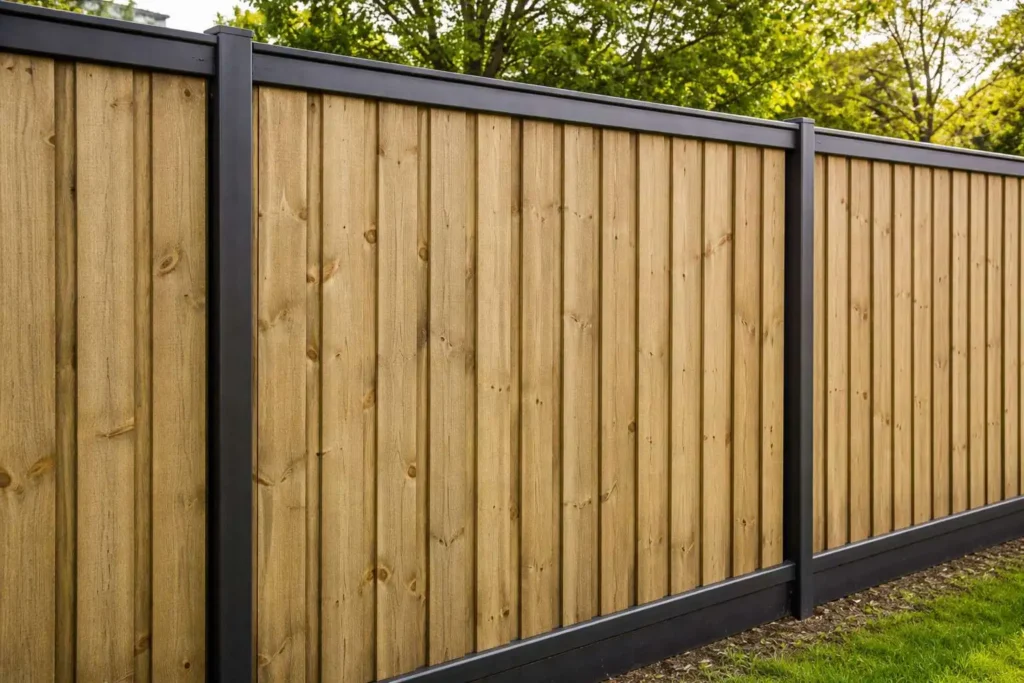
If your goal is a fence that retains alignment like day 1, resists visible gaps, and adapts to uneven ground, lapped lock fencing stands out due to its modular construction and interlocking panels that promise long-term stability.
Many homeowners choose fences based on upfront cost or appearance alone. Six months later? They notice gaps, warping, leaning posts, and a headache they did not sign up for. But the real problem here is not the material, it is the system behind the fence. Let’s understand the reasons, the most common concerns, and how lapped lock fencing resolves them.
1. Can It Dampen the External Noise?
In some suburbs, the constant hum of traffic, lawnmowers, and neighbourhood chatter can interrupt the idea of a peaceful home.
Many homeowners find that a standard fence acts more like a screen than a barrier.
What you’ll notice:
- Thinner palings that vibrate easily, allowing sound waves to pass through.
- Light-weight posts can rattle in the wind and add to the ambient noise level.
- Uneven spacing becomes visible.
How lapped lock fencing solves it:
The Lapped lock fencing is specially engineered to create a dense, continuous barrier. Further, by utilising timber palings with precision slots of the steel frame, it offers a significantly thicker section. The result is acoustic baffle or simply, more absorption and reflection of the unwanted sound waves.
2. We Reside On An Uneven or Sloping Land. Is Installation Still Possible?
Difficult terrain is where homeowners hold on to their fencing upgrades. If your block is not perfectly flat (and most are not), this question matters more than aesthetics.
And we think that it is perfectly understandable because homeowners face disappointment after investing significantly.
Common occurrences include:
- Gaps under fences on slopes.
- Stepped panels that look disjointed.
- Poor alignment across boundary lines.
How lapped lock fencing solves it:
Its modular construction allows the fence to be raked, i.e., angled to follow ground level with ease. This creates a cleaner boundary line, better pet security, and a more premium visual finish. An experienced fencing contractor in NSW will often recommend this system specifically for sites where traditional fencing struggles to sit correctly.
3. Will It Actually Last Longer Or Just Look Better Initially?
This is where most people underestimate the difference. Traditional timber fencing relies heavily on timber posts, which struggle due to:
- Moisture exposure.
- Soil movement.
- Termite activity.
How lapped lock fencing solves it:
- Steel posts and rails for load-bearing purpose
- Timber is used only as the facing material.
This separation of structure and appearance is critical because it means the frame holds its alignment longer, it experiences less leaning over time, and it offers better resistance to environmental stress. It is one of the biggest hidden benefits that homeowners only appreciate years later.
4. Will It Give Me Privacy Without Feeling Too Closed Off?
This is a surprisingly nuanced decision. When trendy homeowners visit us at Arndell Park, they often ask us for:
- “Give us the best fence for privacy without blocking light”
- “We would like to explore some fence ideas that don’t feel like a wall”
Their concern? Solid fences (like concrete or full panels) can feel heavy and restrictive.
How lapped lock fencing solves it:
- Overlapping palings block the direct line of sight.
- Small natural spacing allows airflow.
- Timber texture that softens the overall look.
So instead of a rigid barrier, you get breathable privacy. This is particularly valuable in suburban NSW areas where homes sit closer together but still rely on outdoor living spaces.
5. Is It Worth Paying More Than Standard Fencing?
This is the decision point most buyers struggle with. Let’s break it down systematically.
| Feature | Standard Fencing | Lapped Lock Fencing |
| Structure | Vulnerable posts | Steel frame |
| Gap resistance | Low | High (overlapping design) |
| Performance on slopes | Limited | Excellent (rakeable) |
| Longevity | Moderate | Higher |
| Maintenance | Frequent fixes | Reduced upkeep |
What do most people get wrong?
They only compare initial cost, not lifecycle cost.
In reality, they save hundreds of dollars in:
- Repairs
- Replacements
- Visual and structural deterioration
That is why many homeowners and seasoned fencing contractors in NSW lean towards lapped lock fencing as a smarter long-term investment. Because even if one component of the fence raises a concern, you just replace it with just that near-identical one, saving you money, time, and the hassle.
Common Misconceptions About Lapped Lock Fencing
“It is just a premium version of timber fencing”
Not quite. It is a hybrid system (steel + timber integration), not just upgraded timber.
“Steel makes it look industrial”
The steel is mostly structural and hidden. The visible finish is still dominated by timber.
“It is only for high-end homes”
You’d be surprised to learn that, since the post-pandemic years, homeowners prefer it for:
- Renovation
- New builds
- Boundary replacements
So, Is Lapped Lock Fencing Right for You?
If your priorities include long-term durability, modern appeal, robust performance and reduced maintenance efforts, then lapped lock fencing is not just a good option, it is the right one.
The key is choosing an expert fencing contractor in NSW who has the installation proficiency plus the expertise in accounting terrain slope, boundary conditions, and compliance requirements. And this is where 40+ years of experience by Bill Gibson Fencing comes in.
Fill out this form if you are ready with your requirements, because we are ready with many such top-notch solutions!
FAQs
Q. How long does lapped lock fencing last?
Typically longer than standard timber fencing due to its steel frame and reduced structural stress on timber.
Q. Is lapped lock fencing good for windy areas?
Yes, the steel structure improves stability and resistance to wind pressure.
Q. Can lapped lock fencing be installed on slopes?
Yes, it is rakeable, making it ideal for uneven or sloping land.
Q. Does it require maintenance?
Minimal compared to traditional timber fencing, though timber may still need occasional care.
Q. Is it more expensive than standard fencing?
Upfront cost may be higher, but long-term value is often better due to durability.