What Is Lapped Lock Fencing? Benefits of Steel-Framed Timber Fences for Modern Homes
By blending premium timber’s natural aesthetics with a high-strength steel frame, Lapped lock fencing is a hybrid fencing system that offers you an impressive sight along with the might! All thanks to interlocking panel design, modular capabilities, and enhanced rigidity, it resolves common frustrations surrounding moisture, termites, and structural sag. But why are more homeowners preferring it? And what’s their unique MSP over other options? Join us as we answer it all in our blog.
What Exactly Is Lapped Lock Fencing?
It’s a hybrid fence that combines steel strength with timber aesthetics.
Homeowners often face a difficult choice… Go with the timeless warmth of timber or the uncompromising durability of steel? The good news is lapped lock fencing eliminates that compromise.
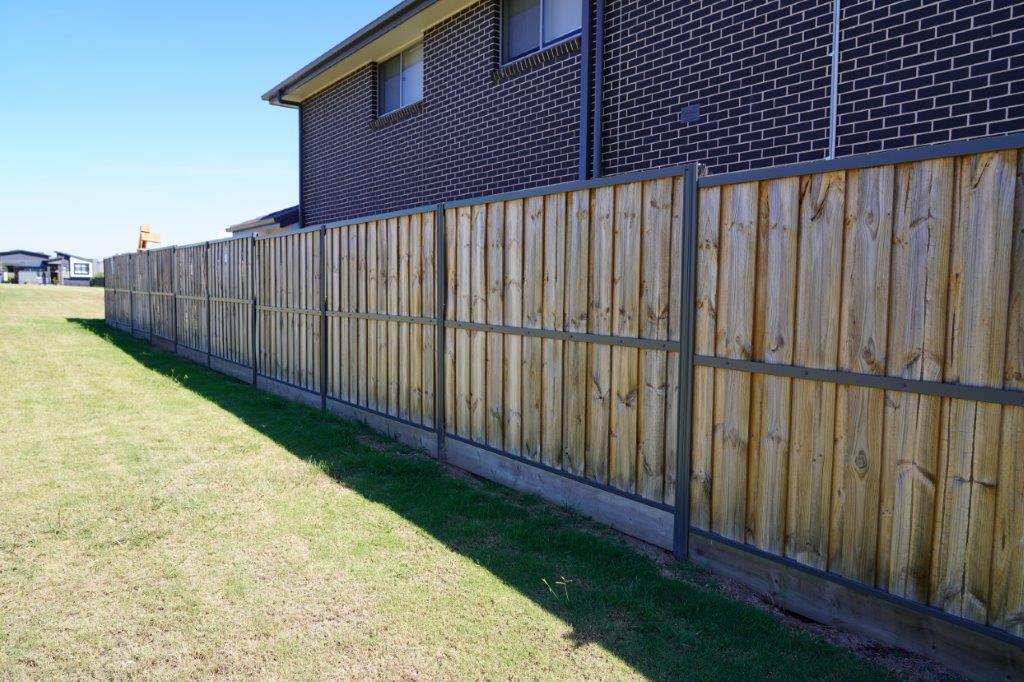
This specialised modular fencing system is where timber boards are fitted inside a powder-coated steel frame. Instead of timber posts carrying the load, the steel frame provides structural strength while the timber forms the visible outer layer.
Think of it like a house with a strong internal structure and a decorative exterior. The steel frame keeps the fence straight and stable, while the timber provides privacy and a natural appeal.
What Makes Lapped Lock Fencing Different?
Modern fencing systems increasingly use modular panels, meaning sections are pre-engineered and installed efficiently on site. This approach is common in modern construction because it improves accuracy and long-term performance.
But how do its components complement each other?
Know What Makes Up a Lapped Lock Fence
A typical lapped lock fencing system consists of several important parts working together, and the first one to focus on is the hybrid element accompanying our timber, the steel.
1.Steel structural frame
Steel framing is widely used in construction because it offers consistent strength and stability, especially compared to untreated timber structures. The frame is usually made from powder-coated steel, designed to resist corrosion and hold its shape over time.
Why homeowners like it:
- Keeps the fence straight even during temperature changes
- Prevents sagging or leaning over time
- Reduces the chance of structural failure
2.Timber infill boards
These are the visible timber boards that create the fence surface. This means you can maintain the look of the fence without replacing the entire structure.
Why homeowners like it:
- Provides the warm, natural appearance people prefer in residential areas
- Creates solid privacy between properties
- Boards can be replaced individually if damaged
3.The Unique ‘Lapped lock’ Panel design
The name lapped lock fencing comes from the way the panels seamlessly fit together. The result is a fence that looks uniform along the entire boundary.
Why homeowners like it:
- Panels interlock neatly for stronger connections
- Makes installation quicker and more consistent
- Offers a more resilient build as extreme weather events are on the rise
4.Hidden fixings and hardware
Fasteners are positioned so they are less visible from the outside. Small details like this can make a noticeable difference in how a fence ages.
Why homeowners like it:
- Cleaner appearance
- Reduced corrosion marks on timber
- Less long-term maintenance
To sum up, robust engineering and integration of steel framing addresses some valid shortcomings of timber.
A Deep Dive Into Its Specifications
The right fence often depends on site conditions, design goals, and long-term expectations.
- Let’s take the 1.8 m fence height, for example. This height is widely used because it provides strong backyard privacy without making the space feel closed in.
- Further, panel spans of around 2370 mm or 2800 mm are another thoughtful feature. It is because these wider sections reduce the number of posts needed, meaning a cleaner fence + structural stability.
- Even better, panels can rake up to about 200 mm on sloping ground, which is beneficial because it keeps the fence consistent even across an unruly, uneven terrain.
A Quick Comparison With Other Fence Types
The table below highlights how lapped-Lock fencing offers you an advantage in key aspects.
| Fence Type | Added Advantage of Lapped-Lock Fencing |
| Traditional Timber Fencing | Lapped-Lock fencing retains the timber appeal while adding a steel frame to reduce issues like post movement, leaning, or long-term warping. |
| Colorbond / Metal Sheet Fencing | Lapped-Lock fencing introduces timber infill panels, which can provide warmer visuals while still benefiting from a strong steel framework. |
| Masonry or Brick Walls | Lapped-Lock fencing delivers strong privacy and a solid boundary appearance while typically requiring less installation time and foundation work. |
Who Benefits Most From Lapped Lock Fencing?
We’ve seen why homeowners compare timber fencing, and metal fencing such as Colorbond when choosing a boundary fence.
And while each option has strengths depending on the property, budget and design preference, a lapped lock variant specifically stands out for:
- Families with pets or small children — as the tight joints and sturdy frames keep the yard secure.
- Busy owners who prefer minimal maintenance — since timber can be restrained without replacing the structure, i.e., reduced structural maintenance efforts.
- Developers and strata companies — for modular panels, reduce on-site time and make like-for-like replacements possible.
Get The Best Of Both Worlds
It is clear that this modern and hybrid fencing option offers you an unmatched value and versatility. The unique fusion complements a wide range of property styles while maintaining durability and visual appeal.
So, if you are curious to learn more on how it upgrades your home and the kerb appeal, view our brochure. And if there are any questions regarding the cost estimate, call (02) 9672-1465 to get your free quote.
FAQs
Q. What is Lapped lock fencing?
Lapped lock fencing is a steel-framed timber fencing system where timber palings are secured within an expertly engineered steel structure. The steel frame provides strength while the timber panels provide privacy and a natural appearance.
Q. Are gates available with Lapped lock fencing?
Yes. Matching steel-framed timber gates can be designed to integrate with the same fencing system for a consistent appearance.
Q. How is Lapped lock fencing different from a standard timber fence?
Traditional timber fences rely on timber posts and rails for structure. Lapped lock fencing uses steel posts and rails, which reduces warping, rotting, and structural movement over time.
Q. Is Lapped lock fencing environmentally friendly?
It can be a sustainable option because timber is renewable, and the steel frame extends the lifespan of the overall fence, reducing replacement frequency.
Q. Can the timber in Lapped lock fencing be painted or stained?
Yes. Timber palings can be painted, stained, and sealed to match landscaping, house colours, or architectural styles.
Q. Can damaged timber boards be replaced easily?
Yes. One advantage of this system is that individual boards can often be replaced without removing the entire fence panel.
Ready to upgrade your heritage home with a custom-designed fence?
Contact Bill Gibson Fencing today for a free on-site quote in Glebe, Paddington, Balmain, or anywhere in Sydney.
Contact today on