
6 Ways to Make Your Boundary Fence Last Longer in Harsh Australian Weather
Getting more from your fence means getting more years out of it, fewer repairs, and better performance through harsh Australian weather. That often comes down to a few simple things done properly from the start: quality installation, reliable fixings, proper drainage, airflow, and ongoing upkeep.
A lot of fencing problems begin with small things people do not notice early on. Water sits too long near the posts. Screws loosen over time. Garden beds trap moisture against the fence line. Years later, the fence starts leaning, swelling, rusting, or shifting.
But is it possible to ensure that your boundary fence survives the harsh Australian weather, with radiation and erratic cycles of drought and flooding we face?
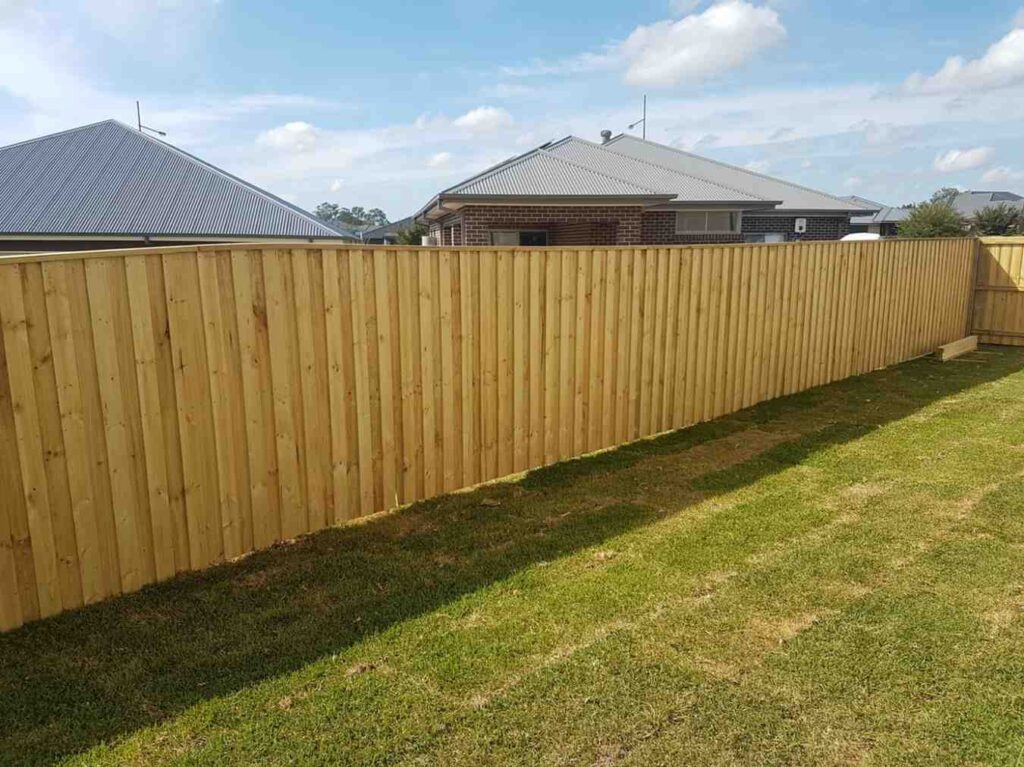
This week we talk about six ways to address the challenges.
1. Choose Quality Materials and Installation From the Start
If you have timber as your boundary fence, weather exposure will eventually affect it. There is no getting around that. The difference is usually how quickly the problems start showing.
Cheap materials or rushed installation tend to age faster, especially through Australian summers. Heat, moisture and movement in the ground slowly place pressure on the structure year after year.
A few things make a noticeable difference early on:
- Use materials suited to outdoor Australian conditions.
- Make sure posts and panels are installed correctly from the beginning.
- Fix smaller issues before they spread through larger sections of the fence.
At Bill Gibson Fencing, the approach has always been straightforward. Build the fence properly the first time so homeowners are not dealing with avoidable repairs later.
2. Maintain Adequate Airflow Around the Fence
While we all love a green screen of lilly pillies or jasmine in our yard, don’t we? Unfortunately, thick vegetation traps humidity against the fence.
This lack of airflow prevents the material from drying out after rain, leading to mould, lichen, and accelerated rot.
- We suggest trimming your shrubs so they sit at least 10 centimetres away for wind to circulate.
- Also, monitor large trees whose roots might heave the ground and crack your post footings.
Sometimes, simple measures can add years to the material’s life by preventing unwanted contact.
3. Clean Your Boundary Fence Periodically
Fences do not need constant maintenance, but leaving dirt and debris sitting there year after year usually creates problems later.
Dust, leaves, moisture, and outdoor residue slowly build up over time. In coastal areas, salt in the air can also start affecting exposed metal components earlier than people expect.
Basic upkeep is usually enough:
- Hose the fence down every so often
- Remove leaves and debris caught near the base
- Keep rails free from debris and trapped moisture
- Check whether screws, rails, or fittings have started loosening
Most fencing issues are easier to manage when caught early. A quick inspection during routine cleaning often helps spot smaller problems before they spread through larger sections.
Many homes across NSW deal with changing weather conditions throughout the year, so occasional maintenance still plays an important role in how well fencing holds up long-term.
4. Improve Drainage Around the Fence Line
Water sitting around fence posts for long periods is rarely a good sign.
After heavy rain, some properties hold moisture near the fence line much longer than others. Over time, that constant exposure can weaken materials and affect stability underneath.
A few practical things help:
- Make sure water drains away from the fence properly.
- Avoid piling soil or mulch directly against the structure.
- Keep the base area reasonably clear where possible.
Sometimes the fence itself is fine. The surrounding drainage is what causes the real problems.
5. Use High Quality Fasteners
Even strong-looking fencing starts shifting once the screws, brackets, or fittings begin wearing out.
Good fixings help keep everything stable, especially during strong winds and changing temperatures throughout the year.
At Bill Gibson Fencing, quality fixings are part of every installation because the smaller details usually decide how well a fence holds together over time.
Reliable hardware helps reduce problems like:
- Loose sections
- Sagging gates
- Movement between panels
- Premature wear around fittings
The materials matter, but so does the way everything is secured together. At Bill Gibson Fencing, the team uses high quality fixings you can trust because long-term fence performance often comes down to the smaller construction details holding everything together.
6. Watch Out for Termites and Ground-Level Damage
In some areas, termites become a problem long before homeowners realise there is any damage underneath.
Timber fencing near damp soil or heavy garden beds tends to be more vulnerable, particularly if moisture sits there consistently.
A few simple checks can help:
- Look for movement or unusual changes along the fence line.
- Keep mulch and organic material away from timber sections.
- Watch for moisture build-up around the base after rain.
Catching small issues early is usually much easier than replacing entire sections later.
The Bill Gibson Fencing Maintenance Checklist
Here are a few simple checks that help keep boundary fencing in better condition throughout the year.
| What To Do | Frequency | What It Does |
| Hose Down Fence | Every 6 months | Helps remove dirt, debris and outdoor build-up |
| Check Hinges and Gates | Every 6 months | Helps prevent sagging and movement |
| Inspect Fence Line | Every 6 months | Helps identify early signs of damage |
| Check Fasteners | Annually | Helps keep the structure stable |
| General Fence Inspection | Every 2 years | Helps spot long-term wear before it worsens |
So, What’s the Conclusion?
Most fences will eventually show wear. Australian weather is hard on outdoor structures. Still, good materials, proper installation, drainage and regular upkeep usually make a significant difference to how long the fence lasts.
At Bill Gibson Fencing, years of practical fencing experience across NSW have helped homeowners build fencing designed to handle local conditions properly from the start.
FAQs
Q. How do I help prevent my timber boundary fence from ageing too quickly in the sun?
Too much trapped moisture and constant weather exposure usually speed things up. Good airflow, occasional maintenance and quality materials all help fencing hold up better over time.
Q. Why are quality fixings important for fencing?
Once screws, brackets, or fittings begin weakening, the rest of the fence often starts shifting with it. Reliable fixings help keep the structure stable for longer.
Q. What should I do if water pools near my fence after heavy rain?
Standing water near fence posts should not be ignored. Improving drainage around the fence line usually helps prevent bigger problems later.
Q. How often should boundary fencing be checked?
A quick inspection every six to twelve months is usually worthwhile, especially after storms or long periods of wet weather.