
7 Signs Your Old Fence Needs Replacing This Year
Noticed visible wear on your fence and not quite sure if a simple repair will do or a replacement would be more cost-effective? Warped timber, leaning fence lines, wobbling posts and rot at the base of posts are some of the signs you must discuss with an experienced fencing contractor.
This week, Bill Gibson Fencing experts discuss 7 such signs that need an expert look and fencing services that can help you.
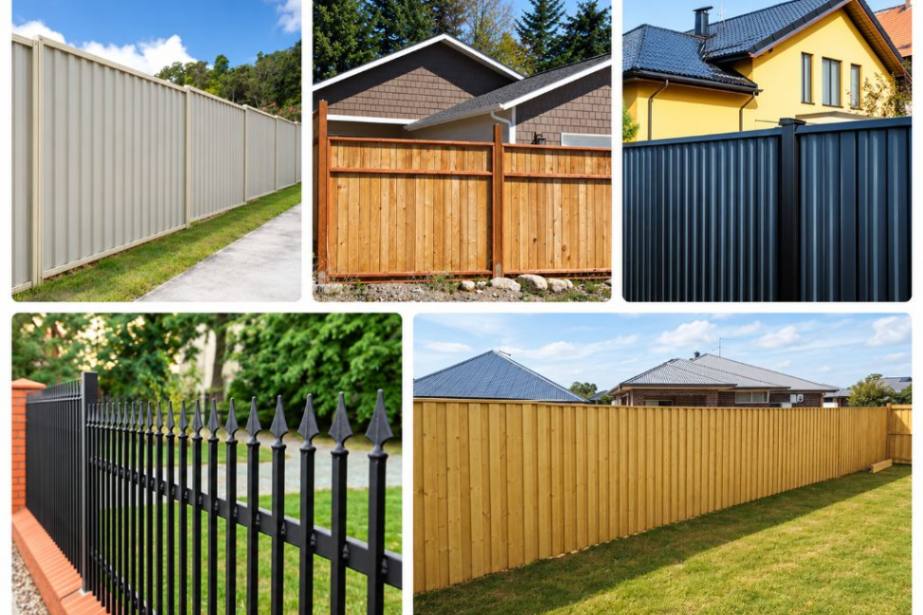
1. Is the Timber Cracking, Splitting or Warping?
This is usually the first sign homeowners notice, and it appears most often on timber fencing and picket fencing.
Sun exposure dries out palings unevenly, causing them to cup, twist or split along the grain. A crack or two here and there is ordinary wear, but widespread splitting across multiple palings usually indicates the timber may need replacing.
2. Has the Steel Faded or Started Chalking?
Colorbond and steel fencing are chosen for low maintenance and long service life, but the factory-applied coating does eventually weather.
If a hand run across a Colorbond fence or a steel fence leaves a chalky residue, or the colour has visibly dulled against a newer section nearby, the protective coating is breaking down. On its own, this is cosmetic, but it warrants monitoring alongside the next sign.
You can consider a gentle wash to rejuvenate your fencing in this case.
3. Do You See Rust at Edges or Welds?
Rust rarely spreads evenly. It tends to start at cut edges, screw fixings, overlap joins or weld points, where the protective coating is thinnest.
This applies to Colorbond and steel panels as well as chainwire fencing, where corrosion often appears first at the tie wires and post caps.
Isolated surface rust can sometimes be managed, but rust that has broken through the metal, or spread along a panel edge, signals the material itself is compromised. Coastal and poolside properties tend to see this progress faster.
4. Is the Fence Line Leaning or Gapping?
Standing at one end of the fence and sighting down the line reveals a great deal. A fence that was once straight but now leans, bows or shows inconsistent gaps between pickets or panels is signalling that something has shifted below ground.
This affects every fence type, from timber and picket through to security fencing, and represents a step beyond a cosmetic issue. It points to movement in the posts or footings rather than the panels alone.
5. Are Any Posts Wobbling or Feeling Loose?
Gripping a post firmly and applying pressure is a reliable test. An expert-installed post should not move. If it rocks, flexes at ground level or reveals a gap opening in the soil or concrete around its base, the footing has likely failed.
A loose post is a structural concern. Neighbouring footings are typically exposed to the same soil composition and drainage conditions, so where one has failed, others are often not far behind.
6. Is the Gate Sagging, Sticking or Not Latching?
Gates carry more stress than any other part of a fence, being the sole moving component. A gate that has dropped at the latch side, scrapes the ground, or needs to be lifted and forced shut is displaying the effects of hinge wear or post movement.
A gate that will not latch reliably undermines the entire purpose of the fence, whether that is pool compliance or perimeter security.
Addressing a sagging gate early can sometimes reveal a footing issue before it spreads further along the fence line.
7. Is There Rot Below Ground at the Posts?
This is the sign that is easiest to miss and yet the most concerning one.
Timber posts fail from the ground up, where moisture sits against the timber longest and oxygen is limited, conditions ideally suited to rot taking hold unseen. A post can appear sound above ground while the buried section has already softened considerably.
If a leaning line appears with wobbling posts, in-ground deterioration is often the underlying cause. Poor drainage, garden beds banked against posts or sprinklers wetting the same section of fence can all accelerate this process.
What to do next
Spotting one of these signs does not always mean a full fence replacement is required. Sometimes a section can be repaired, a post reset, or a panel replaced without touching the remainder of the line.
If you are typing “fence installation near me” or “fencing services near me” right now, you are looking for materials and workmanship that is tried and trusted. At Bill Gibson Fencing, we have been considered Sydney’s established fencing suppliers for over 40 years.
For fencing contractors Sydneysiders rely on, share the images with Bill Gibson Fencing experts and get the best solutions at lowest prices.
FAQs
Q. Can a leaning fence be straightened?
Sometimes, if the lean is caught early and the footing hasn’t fully failed. Your fencing contractor can reset or reinforce the post. Once the timber or footing has deteriorated significantly, straightening alone won’t resolve the underlying structural issue.
Q. How much does fence replacement cost in Sydney?
Cost varies by material, fence length, site access and whether old fencing needs removal. A fencing contractor Sydney homeowners can trust will provide an accurate quote after inspecting the property. Call (02) 9672-1465 for the best prices on fencing.
Q. Can I replace just one panel or post instead of the whole fence?
Often, yes. If the rest of the fence is structurally sound, we can replace individual posts or panels without redoing the full line, provided the remaining materials match and remain in good condition. You can explore our lapped lock modular steel-framed timber system which is the latest innovation in terms of strength, style and ease of replacement.